Water damage can lead to a host of problems in your home, with mold growth being one of the most serious. Identifying mold after water damage is crucial for maintaining a safe and healthy environment. In this article, we will explore how to recognize mold, its implications, and what steps you should take to address it in atlanta.
Understanding Mold Growth
Mold is a type of fungus that thrives in damp and humid conditions. It reproduces through spores that can easily spread through the air. After water damage, mold can begin to grow within 24 to 48 hours if the conditions are right. Understanding the factors that contribute to mold growth is essential for prevention and remediation.
Signs of Mold After Water Damage
Recognizing the signs of mold is the first step in addressing the issue. Here are some key indicators:
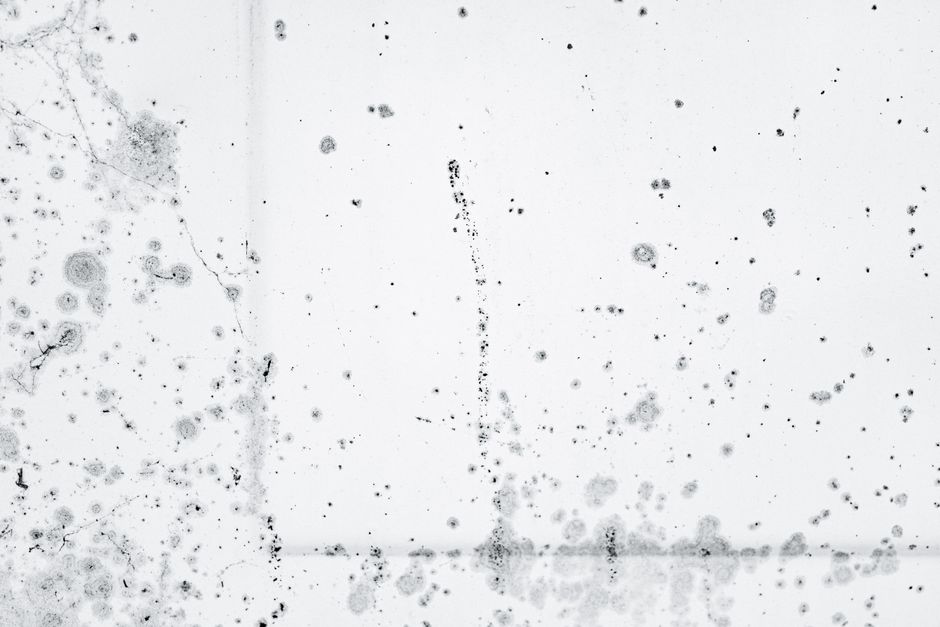
- Visible Mold: This is the most obvious sign. Mold can appear in various colors, including black, green, or white.
- Musty Odors: A persistent, musty smell often indicates mold growth, even if it is not visible.
- Water Stains: Dark or discolored areas on walls, ceilings, or floors can suggest mold growth behind the surface.
- Peeling Paint or Wallpaper: This can be a sign of moisture buildup, which can lead to mold.
- Health Symptoms: If you or your family members experience unexplained respiratory issues, headaches, or allergic reactions, mold may be the culprit.
Common Areas for Mold Growth
Mold can grow in various places in your home, especially after water damage. Some common areas include:
- Basements: Due to their low ventilation and high humidity, basements are prime locations for mold.
- Bathrooms: The combination of moisture and warmth makes bathrooms a common breeding ground for mold.
- Attics: Poor ventilation and leaks can lead to mold growth in attics.
- Behind Walls: Mold can grow behind drywall if water damage is not addressed promptly.
- Under Carpets: If carpets become wet and are not dried quickly, mold can develop underneath.
Health Risks Associated with Mold
Mold is not just an aesthetic issue; it can pose serious health risks. Exposure to mold can lead to respiratory problems, allergic reactions, and other health issues, particularly in individuals with pre-existing conditions. Children and the elderly are particularly vulnerable. If you suspect mold growth, it's essential to address it immediately.
What to Do If You Find Mold
If you discover mold in your home, follow these steps:
- Assess the Extent: Determine how widespread the mold is. Small patches can often be cleaned, but large infestations may require professional help.
- Protect Yourself: Wear gloves, goggles, and a mask to avoid inhaling spores.
- Remove Affected Materials: If mold is present on porous materials like drywall or carpet, it may be best to remove and replace them.
- Clean Non-Porous Surfaces: Use a mixture of water and detergent or a specialized mold cleaner to scrub surfaces.
- Dry the Area: Ensure the area is thoroughly dried to prevent mold from returning.
- Consider Professional Help: For extensive mold issues, consider contacting Mold Remediation in atlanta professionals.
Common Mistakes to Avoid
When addressing mold issues, homeowners often make several common mistakes:
- Ignoring the Source of Moisture: Simply cleaning mold without addressing the underlying moisture issue will lead to recurrence.
- Using Bleach: While bleach can kill mold on non-porous surfaces, it does not prevent mold from returning.
- Not Wearing Protective Gear: Failing to protect yourself during mold cleanup can lead to health issues.
- Overlooking Hidden Areas: Mold often grows in hidden spaces; be thorough in your inspection.
When to Call a Professional
If you find mold covering a large area (greater than 10 square feet) or if you experience health issues related to mold exposure, it's time to call a professional. At Water Damage Restoration in atlanta, we specialize in mold remediation and can help restore your home to a safe condition.
Frequently Asked Questions
How can I tell if I have mold?
Look for visible growth, musty odors, and water stains. Health symptoms can also indicate mold presence.
Can I clean mold myself?
Small patches can be cleaned, but larger infestations typically require professional assistance to ensure thorough removal.
What are the health effects of mold exposure?
Mold exposure can cause respiratory issues, allergic reactions, and other health problems, especially in sensitive individuals.
How quickly does mold grow after water damage?
Mold can start to grow within 24 to 48 hours after water damage if conditions are favorable.
What should I do if I suspect mold in my home?
Inspect for signs, protect yourself, and consider contacting a professional for thorough assessment and remediation.
Get help with Water Damage in atlanta
If you suspect mold growth after water damage, it's crucial to act quickly. Contact us at Water Damage Restoration atlanta for expert assistance in mold remediation and restoration.
Call us today at +17705207813.